
About Paytakht Folad

Company background, the five-phase factory plan, governance structure and the operating commitments stated in the supplied documents.

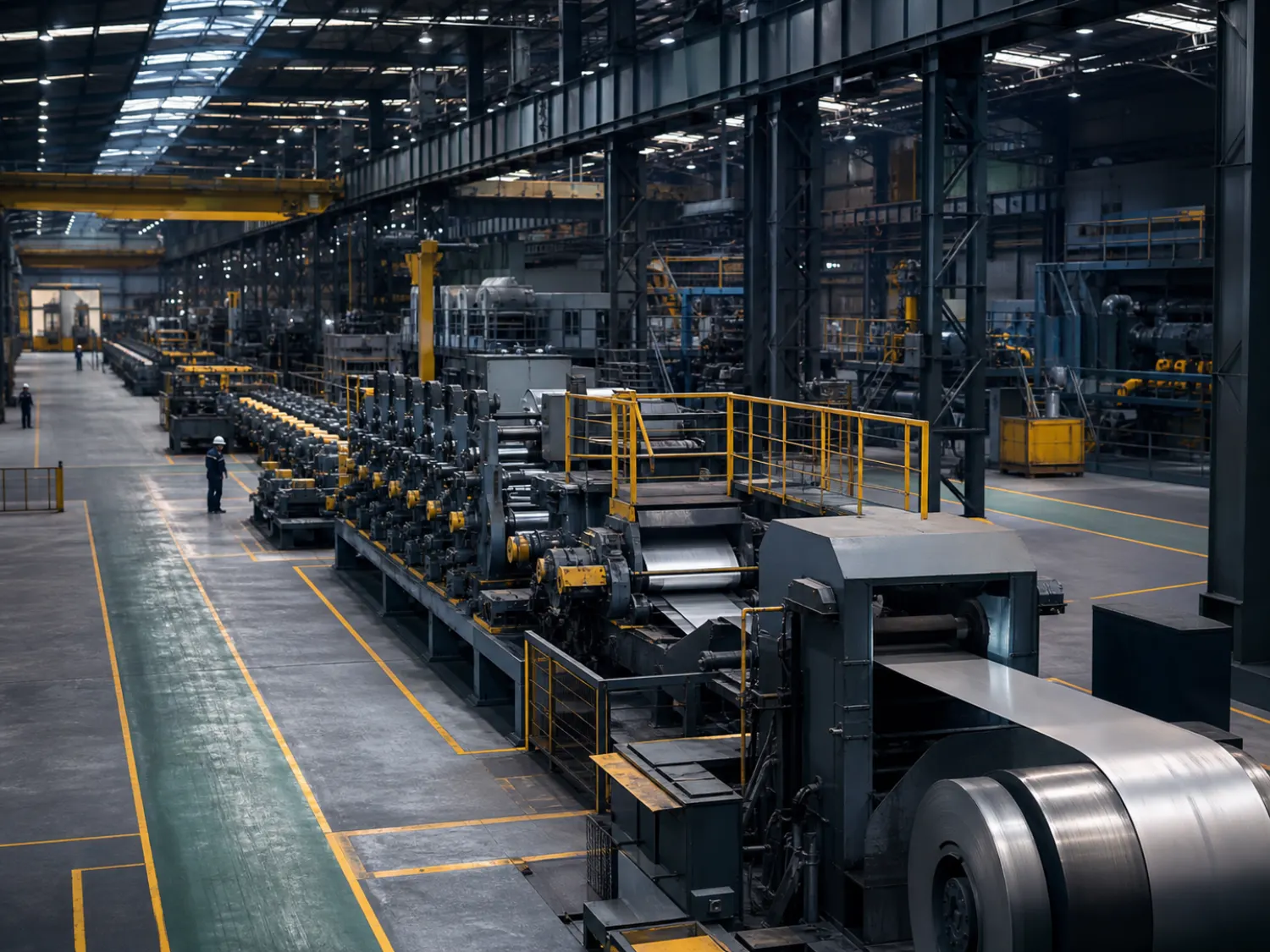
Illustrative project imagery

About Paytakht Folad

01

Paytakht Folad at a glance

Founded in 1403 (Solar Hijri), Paytakht Folad is an Afghan iron-melting and steel-production company based in Balkh. It was established to strengthen domestic production, reduce reliance on imported steel products and build skilled industrial capability.

  • Balkh, Afghanistan
  • Established in 1403 SH
  • Afghan steel production
02

Five-phase factory development

The company business plan sets out a five-phase development programme led by the Samiullah Fahim Group, drawing on more than a decade of experience in Afghanistan’s iron and steel market.

  • Factory development across five phases
  • Modern rolling lines and CCM technology
  • Readiness to broaden the product range
03

Production, quality and customer service

Paytakht Folad combines steel production and rolling with product supply, quality-control laboratories, maintenance, technical services and commercial support for construction and industry.

  • Rebar production across multiple sizes
  • Product testing and quality control
  • Order, distribution and project support
04

Governance and operating structure

The initial organisational plan places the Board of Shareholders at the highest level, supported by management, executive leadership and supervisory oversight. Department responsibilities are planned separately for construction and commissioning, then for production and day-to-day operations.

  • Shareholder and management oversight
  • Executive coordination across departments
  • A phased transition from construction to operations
05

Workplace and environmental commitments

Integrity, legal compliance, transparency, customer care, dependable delivery, worker safety, environmental responsibility, recycling, innovation and continuous improvement guide the company’s development.

  • Integrity, transparency and reliable delivery
  • Worker safety and continuous training
  • Recycled steel use and waste reduction